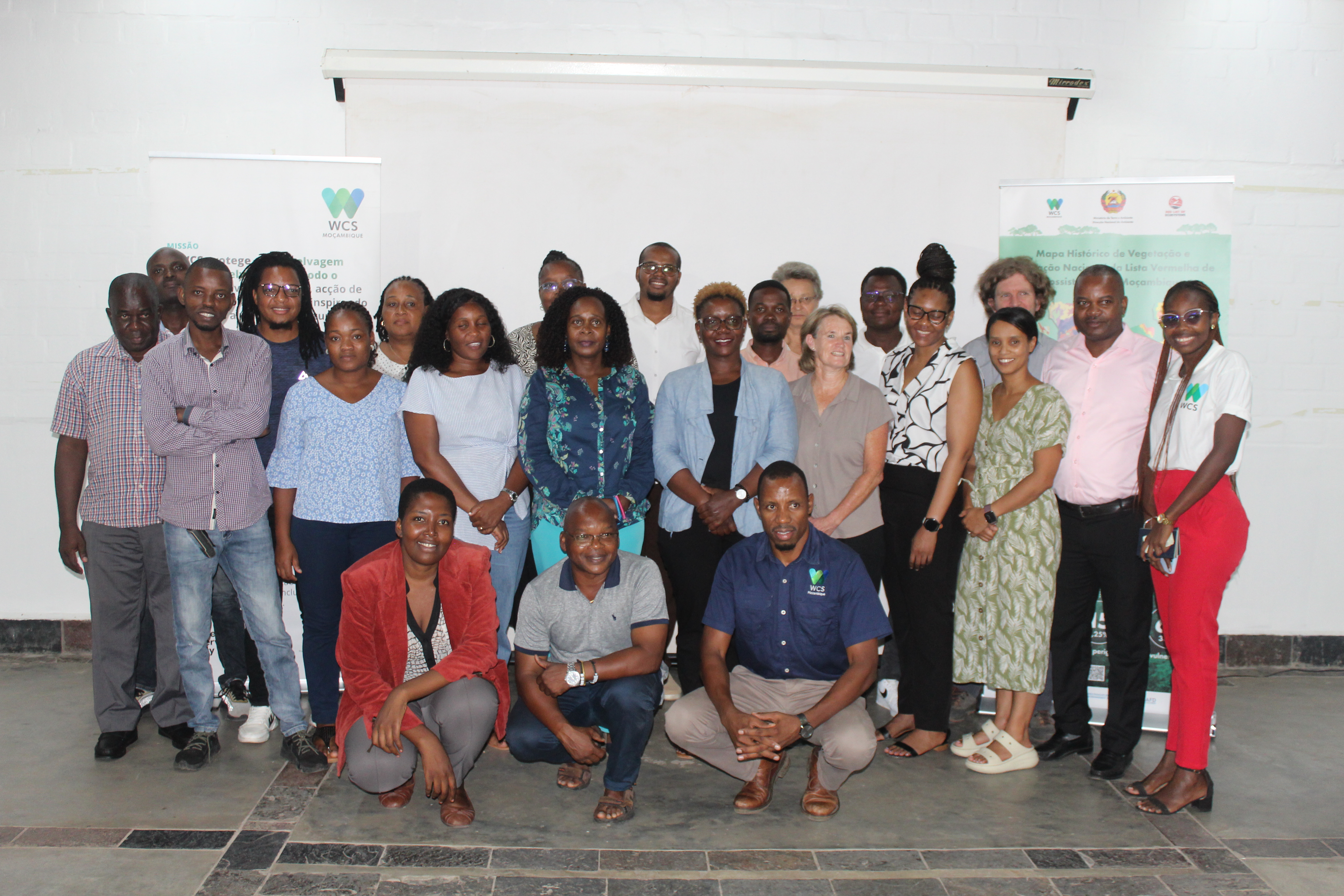
Figure 1. Group photo from the training session on the IUCN Red List criteria and the assessment of extinction risk for plants, invertebrates and freshwater fish species
A training session on the IUCN Red List Criteria and the Assessment of Extinction Risk for Plant, Invertebrate, and Freshwater Fish Species was held in Macaneta from March 23 to 27, 2026. The event brought together 33 national and international experts from government institutions, civil society, and academia with the aim of strengthening the capacity of the national technical team responsible for species conservation assessments.
The training was organized by the Wildlife Conservation Society (WCS) and the Ministry of Agriculture, Environment, and Fisheries (MAPP), through the National Directorate for Environment and Climate Change (DINAMC), as part of the Spatial Biodiversity Assessment, Prioritization, and Planning (SBAPP) Project, funded by the French Development Agency (AFD) and the French Fund for the Global Environment (FFEM).
At the opening ceremony, held on March 23rd, Her Excellency Sónia Muando, the National Director for the Directorate of Environment and Climate Change, highlighted the importance of this workshop framing it in a global context marked by the rapid decline of biodiversity. It was emphasized that “the dramatic loss of biodiversity threatens ecosystems that are essential for climate change mitigation, poverty reduction, and human well-being,” highlighting that the IUCN Red List methodology serves as “a critical barometer of the state of biodiversity and an essential tool for guiding public policy-making.”
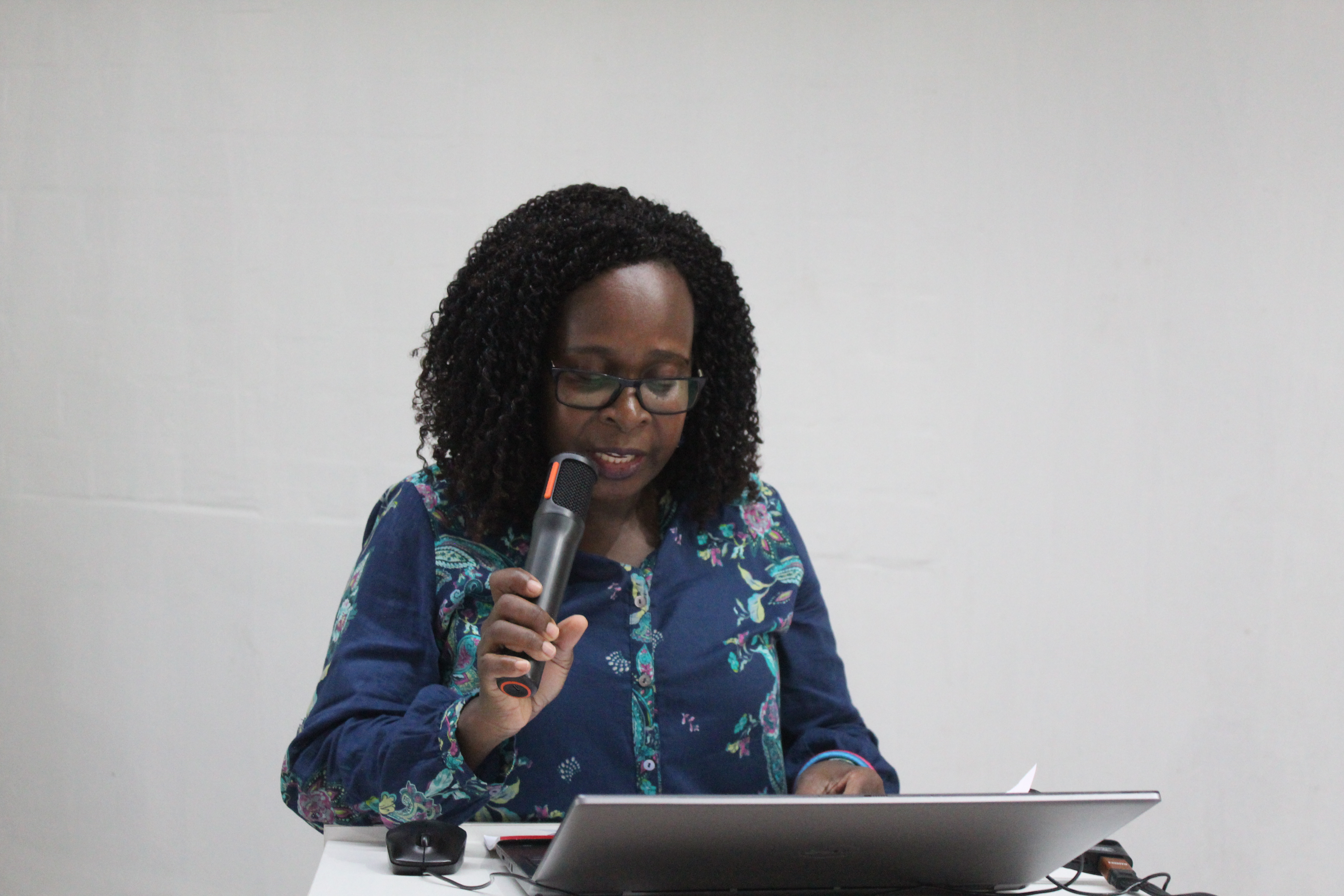
Figure 2. Opening of the event by Sónia Muando, National Director of Environment and Climate Change
The training was led by experts from WCS and the South African National Biodiversity Institute (SANBI), building on previous training sessions. In the past, WCS, in collaboration with the Ministry of the Environment, trained more than 50 national technicians. As part of the SBAPP, this new cycle focuses on training and the assessment of plant, invertebrate, and freshwater fish species—groups that are fundamental to the integrity of the country’s ecosystems. In addition to practical assessment sessions and identification of priority species, participants also received a refresher on the criteria and categories of the IUCN Red List.
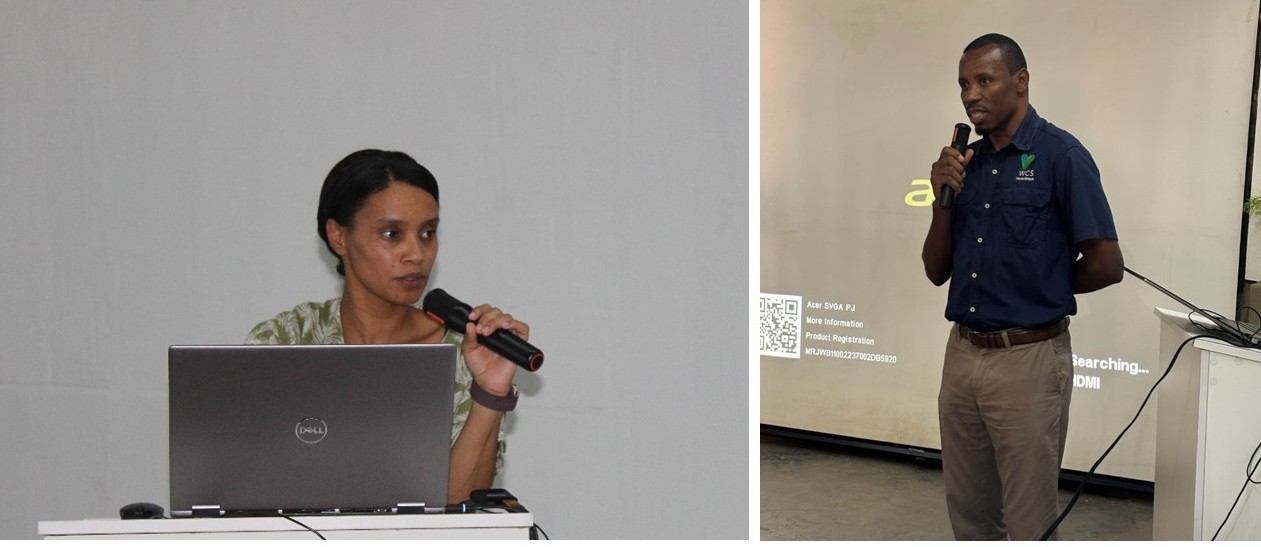
Figure 3. Workshop facilitators: on the left, Dewidine Van Der Colff from SANBI, and on the right, Hermenegildo Matimele from WCS
This workshop was conducted in the context of celebrating two international dates important to biodiversity and the environment:
March 21 – International Day of Forests, under the theme “Forests and Economies”;
March 22 – World Water Day, dedicated to “Water and Gender”.
In this context, during the opening remarks, it was emphasized that “the IUCN Red List assessments provide a scientific basis for understanding how species loss affects agricultural productivity, water regulation, health, and the economic stability of communities.” It was also noted that fragile ecosystems exacerbate the disproportionate impact on vulnerable groups, particularly women and girls. The SBAPP Project, “Building Biodiversity Knowledge for Action in Southern Africa,” is being implemented by Mozambique, South Africa, Malawi, and Namibia, promoting the development of tools and systems that enable these countries to monitor the threat status of ecosystems and species.
It is hoped that the outcomes of this workshop will contribute to strengthening the national database and to informed decision-making regarding biodiversity conservation.