The Oceanographic Institute of Mozambique (InOM), in partnership with the Wildlife Conservation Society (WCS), conducted the third monitoring campaign for sharks and rays using the Baited Remote Underwater Video Systems (BRUVS) in the coastal districts of Chidenguele between 1 and 8 December 2025. The third shark and ray monitoring campaign using the Baited Remote Underwater Video Systems (BRUVS) in the coastal districts of Chidenguele and Chizavane.
This joint initiative aims to document the occurrence, distribution, density and diversity of shark, ray and other marine species, strengthening the scientific basis necessary for the region to be considered an Important Shark and Ray Area (ISRA).
During the campaign, 75 hours of video were recorded. Some highlights include, for the second time, of images of the great white shark (Carcharodon carcharias), the first record of this species being made in September 2023. One of the most relevant aspects of scientific work in the region has been the recognition of the southern coast of Mozambique, including Chidenguele, as a critical region not only for large pelagic sharks, but also for rare and globally threatened species such as the shortfin nurse shark (Pseudoginglymostoma brevicaudatum). This species, classified as Critically Endangered (CR) on the International Union for Conservation of Nature (IUCN) Red List, has a restricted distribution in the Western Indian Ocean, and its wider distribution has been confirmed in Mozambican waters through underwater videos and other scientific observations that have significantly expanded its known range.
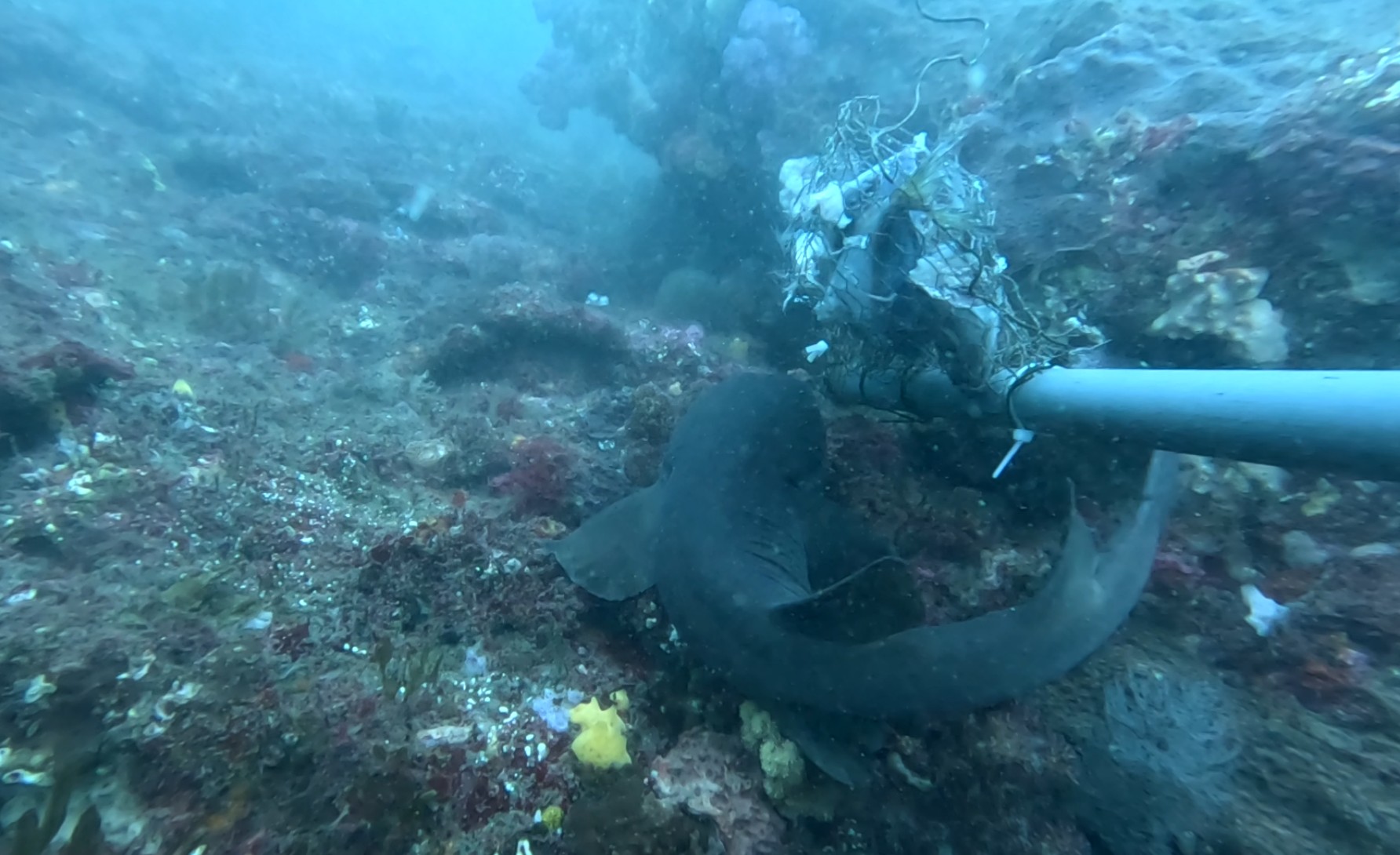
Figure 1. Images captured of the short-tailed nurse shark (Pseudoginglymostoma brevicaudatum), for the second time in this area.
The data collected will contribute to understanding how fishing, among other impacts, affects shark and ray populations and their vulnerable ecosystems. The coast of Gaza province, and more broadly southern Mozambique, is recognised as a critical area for a variety of marine species, particularly sharks and rays - from large migratory species such as the great white shark to rare species such as the shortfin nurse shark.
Since 2018, InOM and WCS have been conducting regular monitoring campaigns using BRUVs along the Mozambican coast, consolidating the country as a key player in marine biodiversity research and conservation, with a special focus on sharks and rays.
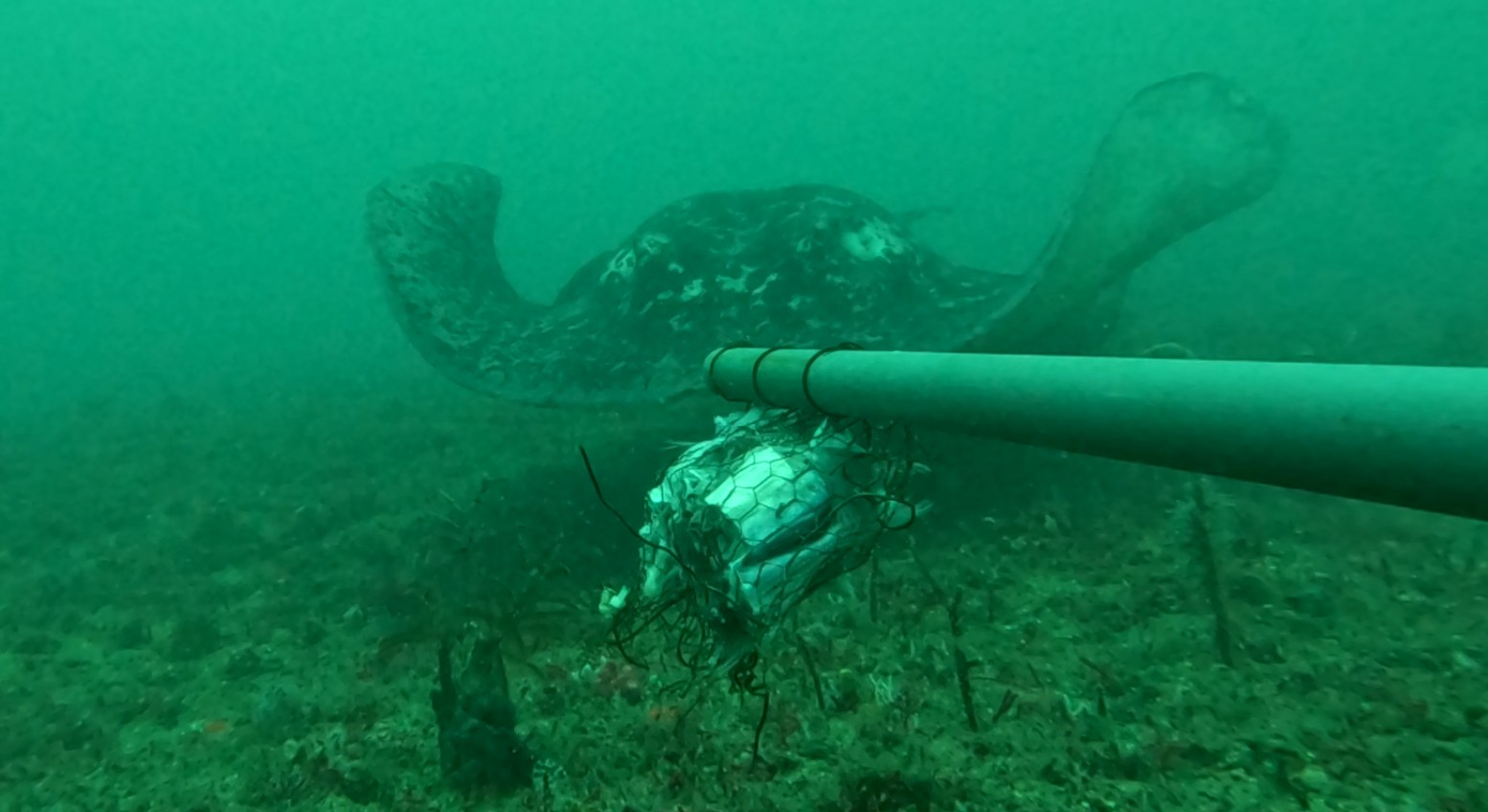
Figure 2. Image of the black-spotted-stingray (Taeniurops meyeni) recorded in Chidenguele