Between 16 and 26 November 2025, the District of Mecula, in the Niassa Special Reserve (NSR), held the District Recreational Football Championship for Biodiversity Conservation, funded by the European Union, an initiative that brought together sport, social inclusion and environmental education. In a strategic partnership with the NSR, through WCS and partners, the District Government brought together 18 teams (12 men's and 6 women's) that had qualified in the local stages.
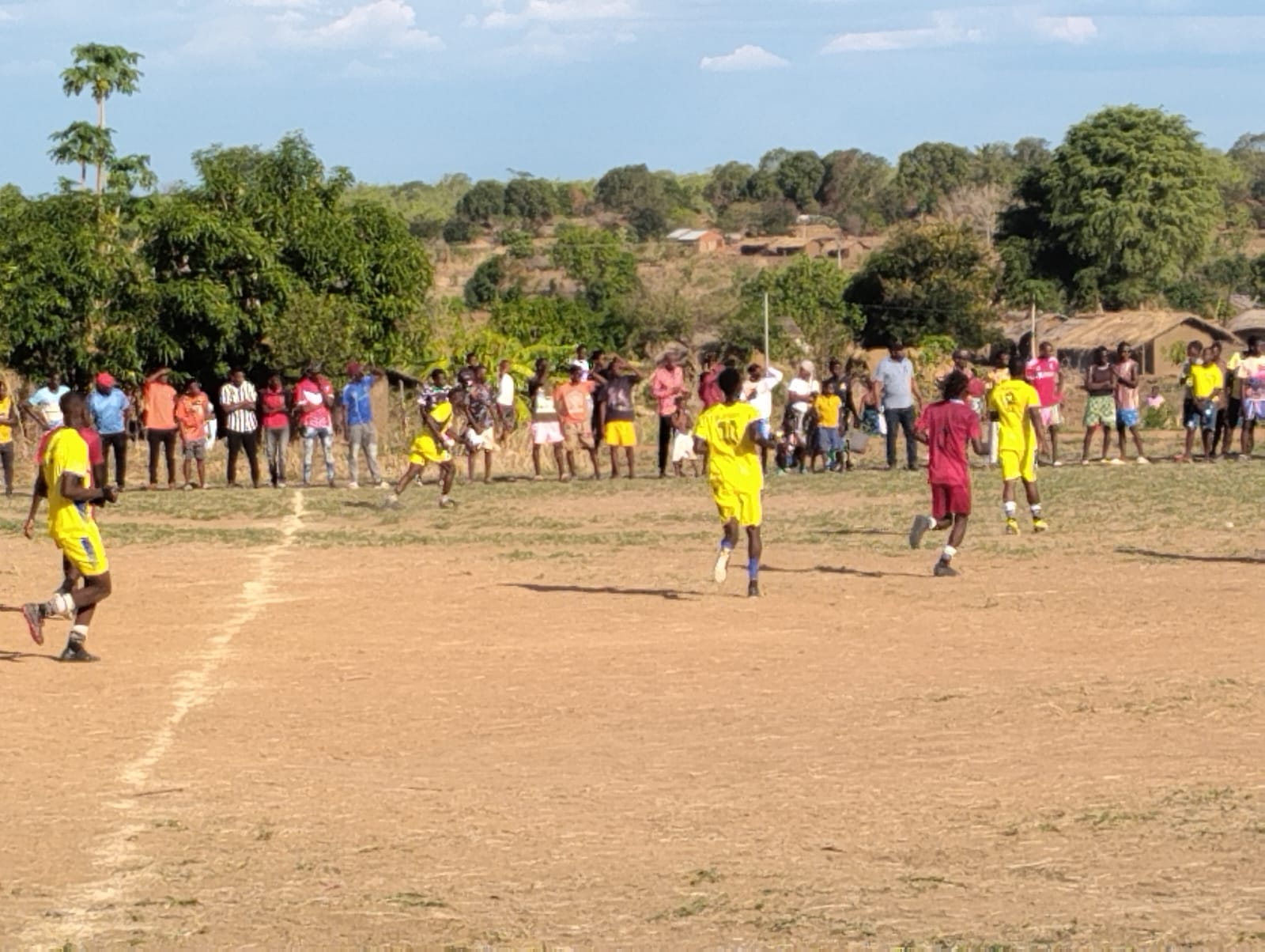
Figure 1. Final match between Ukupagua Futebol Clube and Onze Irmãos (© WCS)
The championship aimed to democratize access to sport, nurture local talent, and foster community integration, in line with the Government’s Five-Year Programme (2025–2029) and the Sustainable Development Goals (SDG 4 and SDG 9). Beyond the competition, awareness-raising activities on biodiversity conservation were carried out, including cultural events, radio programmes, and the distribution of educational materials.
The final, played on 26 November, crowned Ukupagua Football Club as champions after a 2–1 victory over Onze Irmãos. The winning team received a trophy, football, and sports equipment. Second place went to Onze Irmãos, while third place was secured by Mambas do Quinto Congresso.
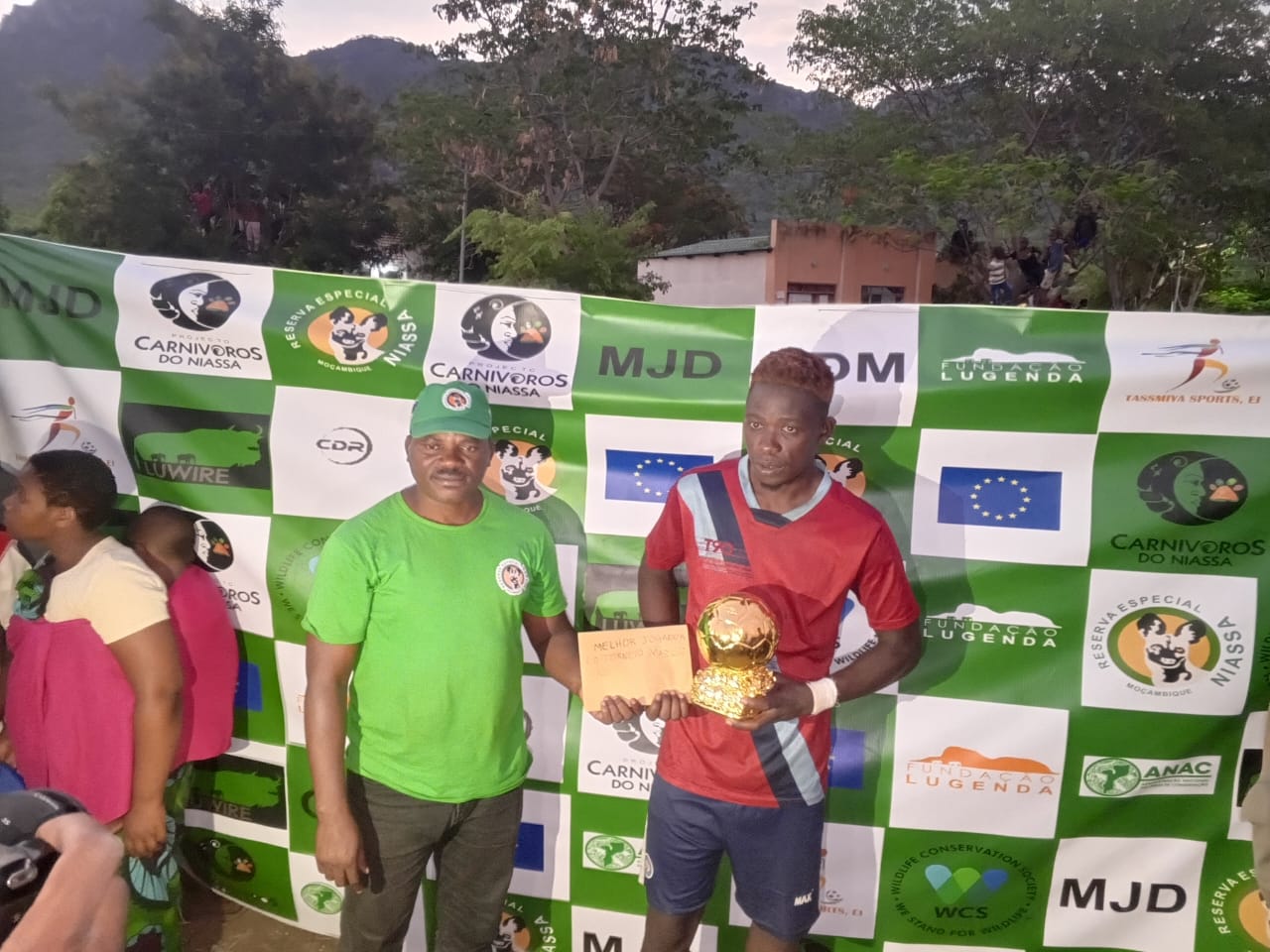
Figure 2. Awards ceremony for the best players in the championship (© WCS)
After the match, António Cigarro, coach of Ukupagua Football Club, stated:
“To achieve this victory, it was essential to understand the weaknesses of the opposing team. It was an honour to win this title.”
Castro Elias, coach of Onze Irmãos, commented:
“We did everything we could to win, but it wasn’t enough. The failure happened in the first half because we hadn’t studied our opponent well.”
In the women's competition, the teams that qualified were:
1st Place: Mercado FC
2nd Place: Saude FC
3rd Place: Ukupagua
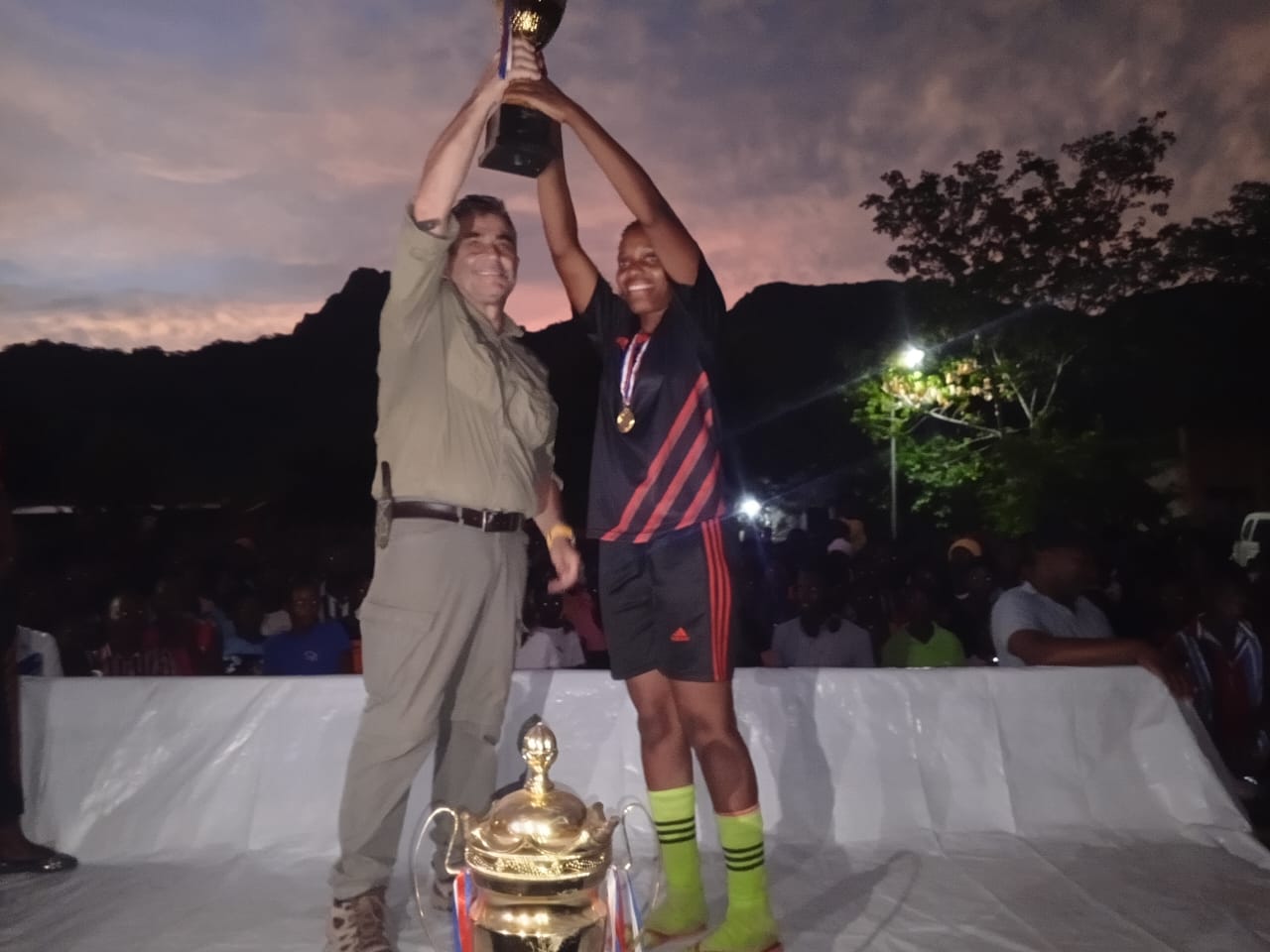
Figure 3. Mercado FC awards ceremony (© WCS)
Beyond the awards and recreation, the championship reinforced the importance of wildlife conservation and combating illegal trafficking, drawing attention to the impacts on the Niassa Special Reserve. The initiative stood out for promoting gender equality, with the active participation of girls, and for strengthening the link between sport and environmental conservation, demonstrating that it is possible to combine leisure, community unity and protection of natural heritage.