From 8 to 10 December 2025, 15 representatives of various national and international institutions meet in Macaneta, Maputo province, for a technical meeting that aims to consolidate essential information on the state of fisheries, ecosystems and socio-economic conditions in the region from Memba to Mossuril. The event is a strategic milestone for the implementation of Community-Managed Fishing Areas (APGCs), as provided for in Decree No. 89/202and regulated by Ministerial Diploma No. 83/2023.
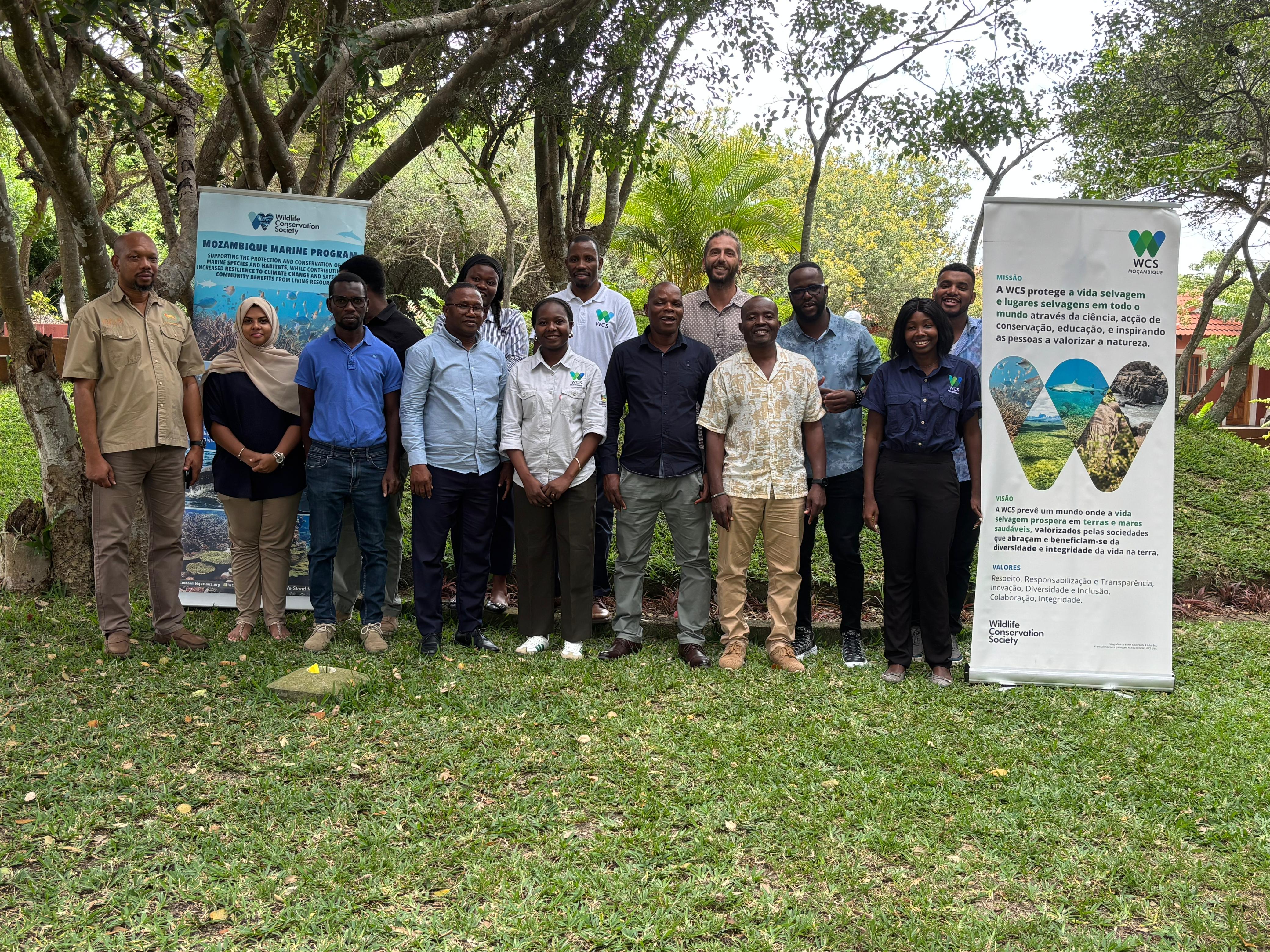
Figure 1. APGCs Consolidation Workshop Participants
The initiative comes in a context in which pressure on marine resources has increased, driven by the mobility of fishermen, degradation of coastal habitats and the effects of climate change. The creation and management of APGCs emerge as a fundamental instrument to promote the sustainability of marine resources and reduce conflicts and economic losses in coastal communities.
Over the past few years, initiatives conducted in the Island of Mozambique, Memba, Mossuril and adjacent areas, have generated a significant set of data and technical knowledge, with relevant contributions from national institutions and international organizations. Part of this work resulted in the identification of five APGCs, to be created and structured in these areas.

Figure 2. Landscape between Memba-Mossuril. ©ThomasMello
For three days, technicians from institutions and organizations such as InOM (Oceanographic Institute of Mozambique), ADNAP (National Fisheries Administration), UEM (Eduardo Mondlane University), RARE, COAST Facility, WCS (Wildlife Conservation Society) Mozambique and ama (Environment Association), participate in plenary sessions and thematic working groups, focused on the evaluation of existing information, the construction of gap matrices and the definition of harmonised methodologies. The event will culminate with the formulation of technical recommendations and a short-term work plan, which will serve as a basis for further actions around the initiative.
The event is promoted by WCS Mozambique, under the Blue Future project, with support from the COAST Facility, funded by the UK Government. This collaboration involves several other partners at national and international level.
This initiative is expected to strengthen the technical basis necessary for the sustainable management of artisanal fisheries and recovery of critical marine ecosystems on the northern coast of Mozambique.
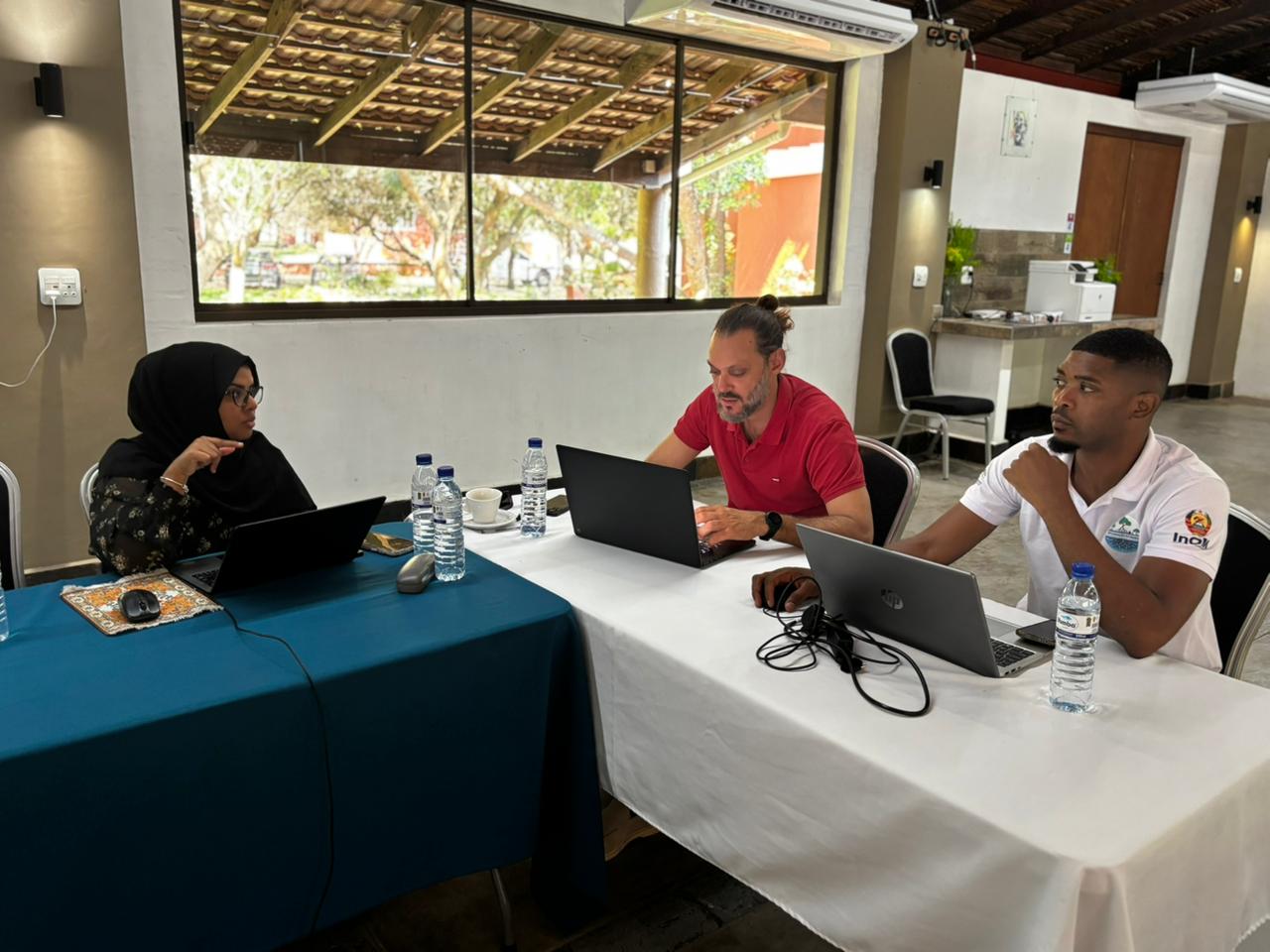
Figure 3. Moments of the sessions during the workshop