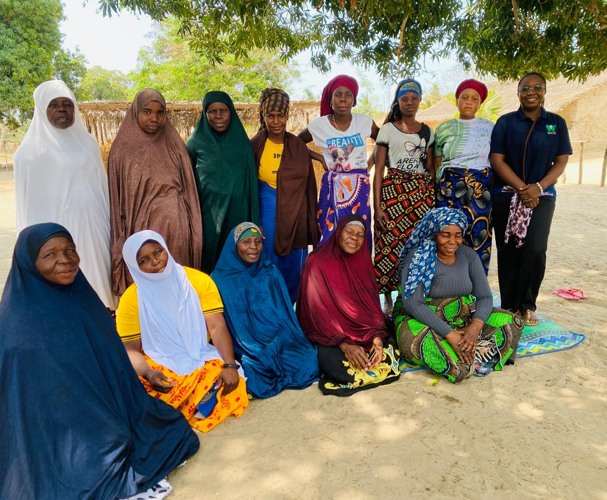
Between 30 September and 2 October, the Wildlife Conservation Society (WCS) Mozambique conducted an assessment of sustainable business opportunities in the communities of Cabaceira Pequena, Napila and Nanatha, as part of the Community Coral Monitoring Project, funded by the United Nations Environment Programme (UNEP) and implemented through the Blue Future Project.
The discussions engaged approximately 64 women from the three communities in a participatory space for dialogue, reflection and identification of local opportunities for the development of sustainable tourism initiatives. These opportunities are expected to inform future engagement with private sector actors through the Sustainable Tourism and Community Development Partnership Workshops planned for later this month.
During the meetings, the WCS team presented the objectives of the initiative and facilitated discussions on existing resources, knowledge, products and activities within the communities that could be enhanced and incorporated into future tourism experiences and itineraries. The exercise helped identify potential tourism-related business opportunities while highlighting the local knowledge, cultural heritage and natural assets that characterize these coastal communities.
The active participation of women was a central element of the activity, ensuring that the opportunities identified reflect the priorities, capacities and aspirations of the communities themselves. The approach seeks to strengthen the role of women in promoting locally driven solutions that contribute both to improved livelihoods and to the sustainable use of natural resources. It also aims to recognize and build on their knowledge, explore new pathways for economic development, and showcase their skills and community assets.
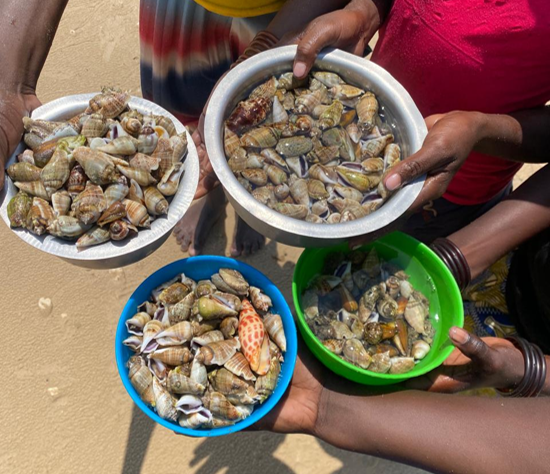
The initiative further reinforces the link between marine ecosystem conservation, community engagement and the creation of sustainable development opportunities, demonstrating how the effective management and protection of natural resources can generate social and economic benefits for coastal communities.
The insights gathered during the assessment will feed into discussions at the Sustainable Tourism and Community Development Partnership Workshops, supporting the identification of concrete actions to strengthen sustainable tourism and promote the greater integration of local communities into the development of the region’s tourism sector.