From 1 to 5 December 2025, the national evaluation of the COMBO+ Program took place in Maputo, the exercise brought together representatives from Government, the private sector, civil society organizations, academia, and cooperation partners with the objective of analyzing the main progress achieved, challenges encountered, and lessons learned throughout the Program’s implementation in Mozambique.
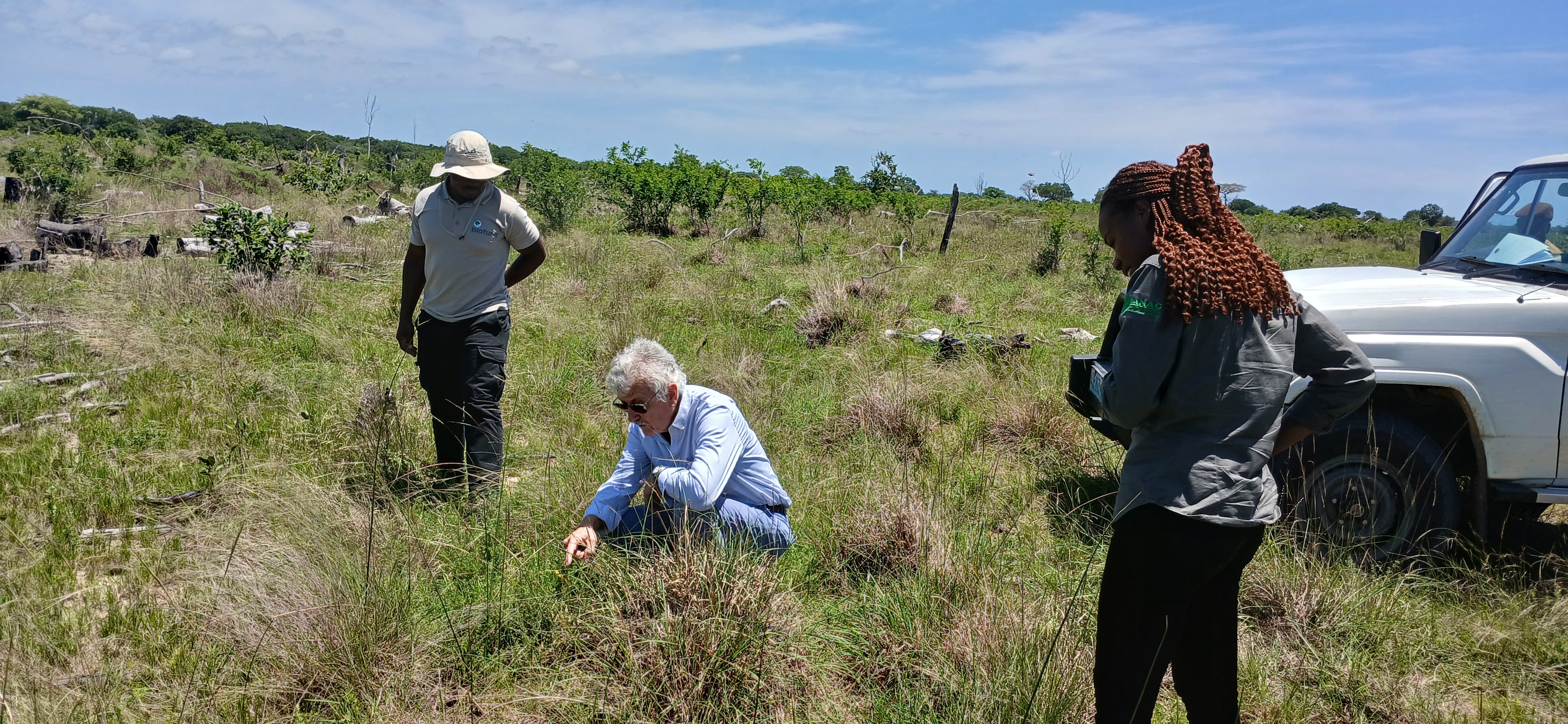
Figure 1. Visit to the pilot project on biodiversity offsets in Maputo National Park
Throughout the week, several technical and bilateral meetings were held with the Program team — WCS, BIOFUND and DINAMC — as well as with other strategic institutions, including the National Administration for Conservation Areas (ANAC), Maputo National Park, the National Directorate of Geology and Mines (DNGM), Eduardo Mondlane University (UEM), Kenmare, Portucel-Mozambique and Fundação Likhulu. The process culminated in a final workshop, which provided a space for joint reflection on the results achieved and the next steps for the Program.
An interactive approach was adopted, allowing participants to share their perspectives on the level of progress across the different areas of intervention, the results obtained, and the aspects that still require further consolidation.
The evaluation focused on the four core components of the COMBO+ Program, namely:
(i) support for strengthening the national policy and legal framework;
(ii) development of technical tools and guidelines;
(iii) multisectoral capacity building; and
(iv) mechanisms for the implementation of Biodiversity Offsets.
Overall, Mozambique demonstrated notable progress compared to other COMBO+ implementing countries recently assessed — namely Laos, Myanmar, Madagascar, Guinea, and Uganda — particularly in strengthening its legal framework, advancing the development of biodiversity tools, enhancing institutional capacity, and mobilizing financing for biodiversity conservation.
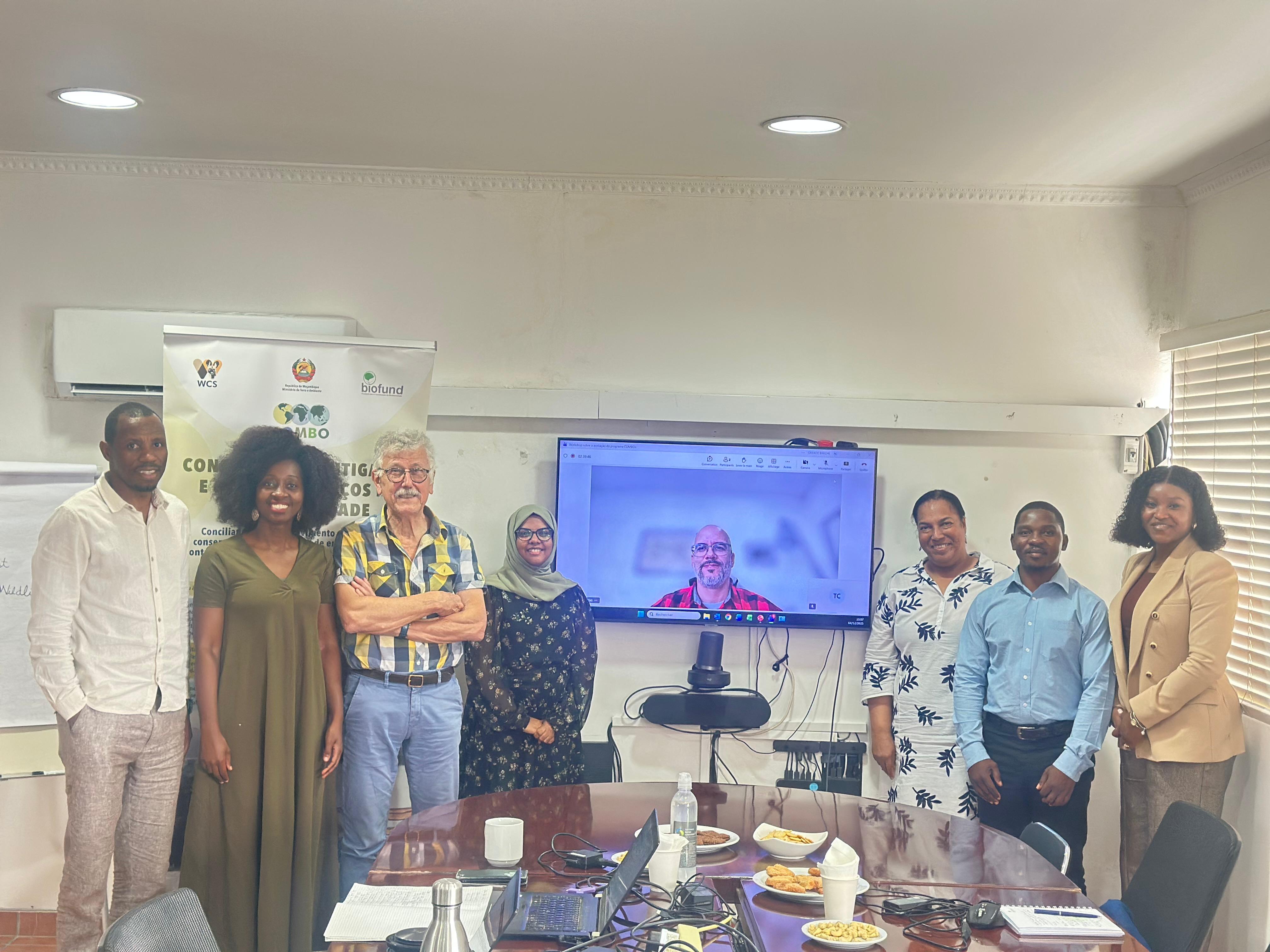
Figure 2. General review meeting on the evaluation of phase 2 of the COMBO+ Program
The discussion also highlighted the importance of continued technical support to public institutions. One key strategic reflection was the growing need to identify and strengthen “institutional champions” at both central and provincial levels — individuals capable of increasingly leading processes autonomously, thus ensuring greater national ownership and long-term sustainability of activities.
Among the challenges identified, it was noted that the implementation of Biodiversity Offsets still requires an ongoing process of dialogue and awareness-raising with project proponents, as well as deeper alignment among different planning, conservation, and development instruments, to ensure greater predictability in identifying suitable offset-receiving areas.
The evaluation week reaffirmed the centrality of interinstitutional coordination as a fundamental pillar for the Program’s success, with notable progress already achieved in the collaboration between the environment, land-use planning, conservation, private sector, academia, and civil society sectors.
The strategic contribution of BIOFUND was also widely recognized, particularly its role in strengthening COMBO+ financing in Mozambique through the significant increase in resources mobilized for the implementation of the Program’s components, consolidating BIOFUND’s position as a key institution within the country’s biodiversity finance architecture.
“The COMBO+ programme has greatly supported us in the implementation of matters related to the Mitigation Hierarchy and Biodiversity Offsets. The Technical Assistant assigned to our institution supports us on technical issues, particularly those related to the geospatial aspects of projects, so that we can have more detailed information about the areas to be assessed.” states Josefa Jussar, Head of the Environmental Licensing Department at DINAMC
The evaluation concluded that the COMBO+ Program continues to play a strategic role in reinforcing the application of the mitigation hierarchy and the implementation of Biodiversity Offsets in Mozambique. It also confirmed the substantial progress made in recent years, as well as the remaining challenges that require coordinated, realistic and sustainable responses in a context of increasing pressure on natural resources and strengthened national and international conservation commitments.