The Wildlife Conservation Society (WCS) Mozambique joins the global conservation community in celebrating historic decisions at the 20th Conference of the Parties (CoP20) to CITES (Convention on International Trade in Endangered Species of Wild Fauna and Flora), which introduced sweeping protections for sharks, rays, and other threatened species. Over 70 shark and ray species received new international trade safeguards, marking the strongest shark and ray listings in CITES history.
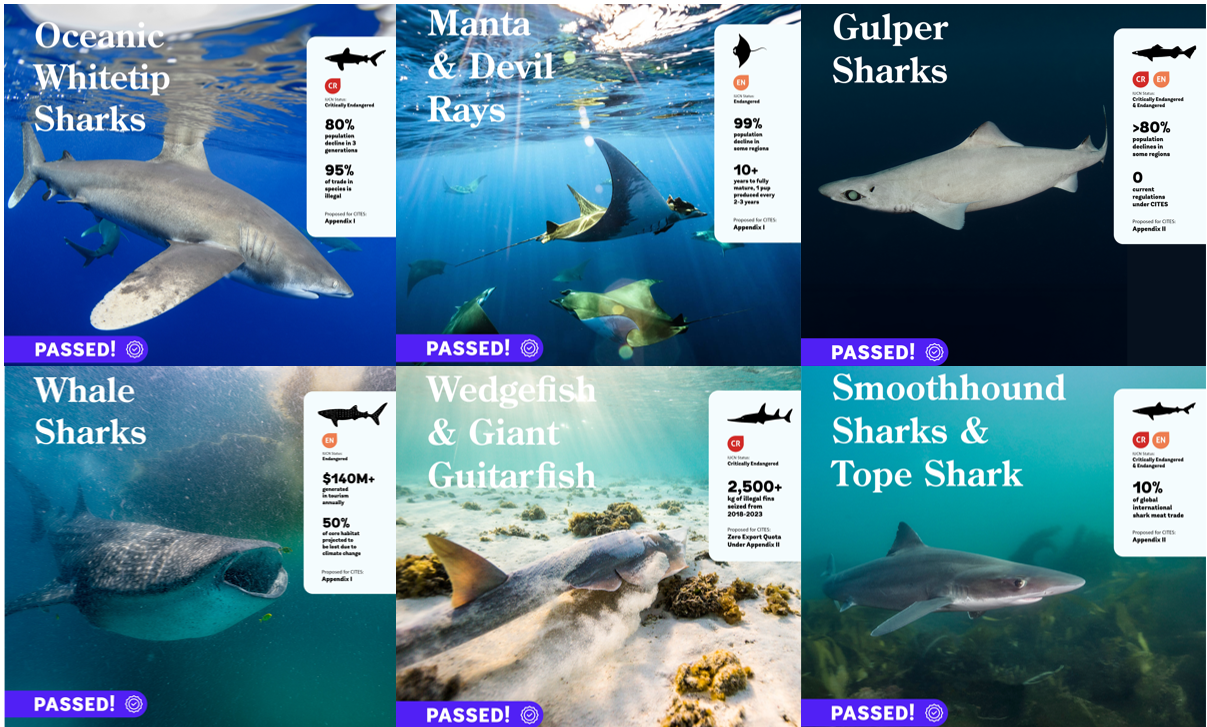
Figure 1. Shark and ray proposals adopted at CITES COP20 (©Haley Williams)
“These decisions give sharks and rays a real chance at recovery,” said Luke Warwick, WCS Director of Shark and Ray Conservation. “The world chose action over extinction, and now we must ensure these protections are implemented effectively.” For more information, read the statement and watch the video.

Figure 2. Luke Warwick, Director for WCS Shark and Ray Conservation, at CITES COP20 in Samarkand, Uzbekistan (©WCS)
What These Decisions Mean for Mozambique
Mozambique’s coastline supports important shark and ray populations and artisanal fisheries. While already compliant in terms of national protections for species listed under Appendix I of the Convention on the Conservation of Migratory Species of Wild Animals (through Decree No. 89/2020, Regulation for Maritime Fisheries, Appendix XIII of protected species), the new CITES listings will require additional, stricter trade control measures, including:
-
Enhanced collaboration among enforcement authorities, including fisheries inspectors, customs, maritime police, and CITES Management and Scientific Authorities.
The decisions taken at the COP also highlight that gaps in compliance with shark and ray protections can have wider implications for Mozambique’s international wildlife trade. Strengthening enforcement and monitoring for terrestrial CITES species—such as elephants, pangolins, big cats, reptiles, and timber among others—is critical, as non-compliance in one sector can affect the country’s credibility and ability to trade other internationally regulated species. Enhanced community-based conservation and rigorous oversight of trafficking routes are essential to safeguard all CITES-listed species and maintain Mozambique’s standing in global wildlife trade.

Figure 3: The Wildlife Conservation Society delegation in attendance at the 20th Conference of the Parties to CITES (©WCS)
Next Steps for Mozambique
To comply with the CoP20 listing amendments and effectively manage the trade in CITES-listed species, Mozambique will need to:
-
Update national regulations to align with new listings like the CITES Appendix II and zero-quota species.
-
Increase capacity for species identification and monitoring at ports, borders, and landing sites.
-
Strengthen collaboration between relevant ministries.
WCS Mozambique’s Ongoing Support
WCS Mozambique continues to support the Mozambique government in improving CITES implementation, with a focus on sharks and rays by:
These historic CoP20 decisions mark a milestone for marine species conservation. Effectively implementing these measures in Mozambique would reinforce the country’s role as a regional leader in protecting vulnerable wildlife, and ensure these protections translate into real conservation impact on the ground and at sea.